
Spring is worshiped by all without pollen allergies —
intrepid sprigs and buds defying all odds
to peek out from bleak desolation.
In summer, the earth is fecund and verdant,
soaking up sunlight, giddy with sugar
gleefully thrusting out fistful after fistful of fruits and flowers.
Loss in Autumn is mellowed by bounty;
rich colors warm against the growing chill.
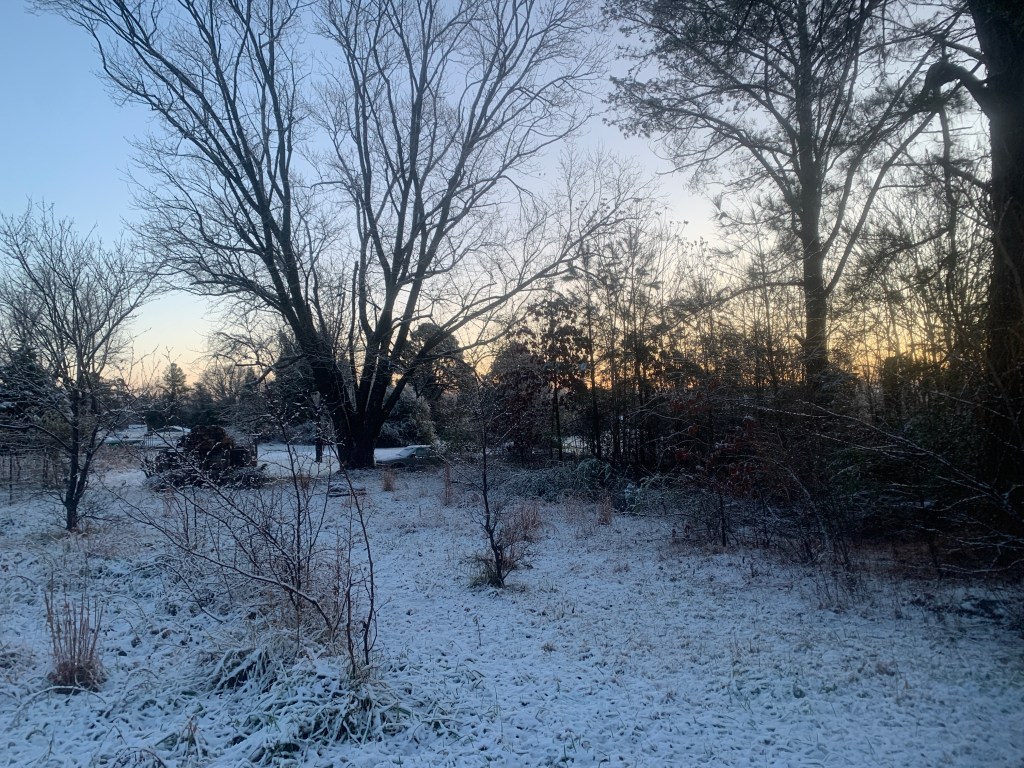
But winter is stark,
stripped to bare branches and spiny stalks.
Life is sucked back to the roots,
knotted around soil —
a trickle of sap just enough to keep
frost-chewed limbs straining over the horizon,
ready for spring.
It is the full moon of Shvat – Tu B’Shvat, the New Year of the Trees in Jewish time spirals. Shvat is one of my favorite months of the year, celebrating the trees that anchor and sustain our earth, and the nearly invisible first stirrings of renewed growth beneath the frozen crust of earth and deep within our core. The days are noticeably lighter and brighter, the sap begins rising and flowing again, the birds flutter around the bird feeder and hop across the snow. Something within my heart lightens and starts quivering with hope and excitement, full of dreams and elaborate plans for the coming season.

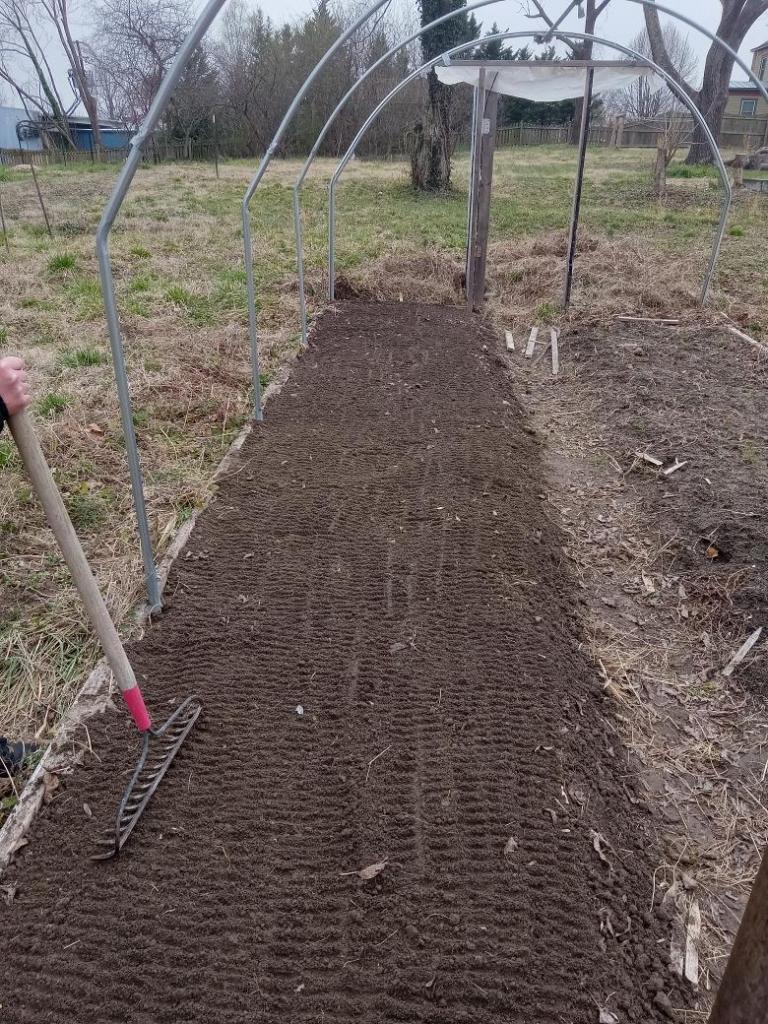
Re-spouting mint, and planting oats and crimson clover, February 2023
This whole year has felt like an exercise in hope. I decided to experiment with “dry farming” this season, depending exclusively on the rain to water my garden… in what turned out to be the driest spring and summer I have experienced here in Virginia. Each sprouting seed truly felt like a miracle. After countless hours digging and preparing each bed, then tucking seeds into the soil with song, came a period of waiting, watching the bare soil intently for the first emerging leaves, trying not to fret or despair as the weeks stretched on with hardly more than a drizzle here and there, and the beds remained a blank canvas. And then a sudden in-breath of wonder as the seeds, fed by the winter reserve of moisture and evening dew, awakened in their own time, and persevered and thrived with enough abundance to share with neighbors and friends.
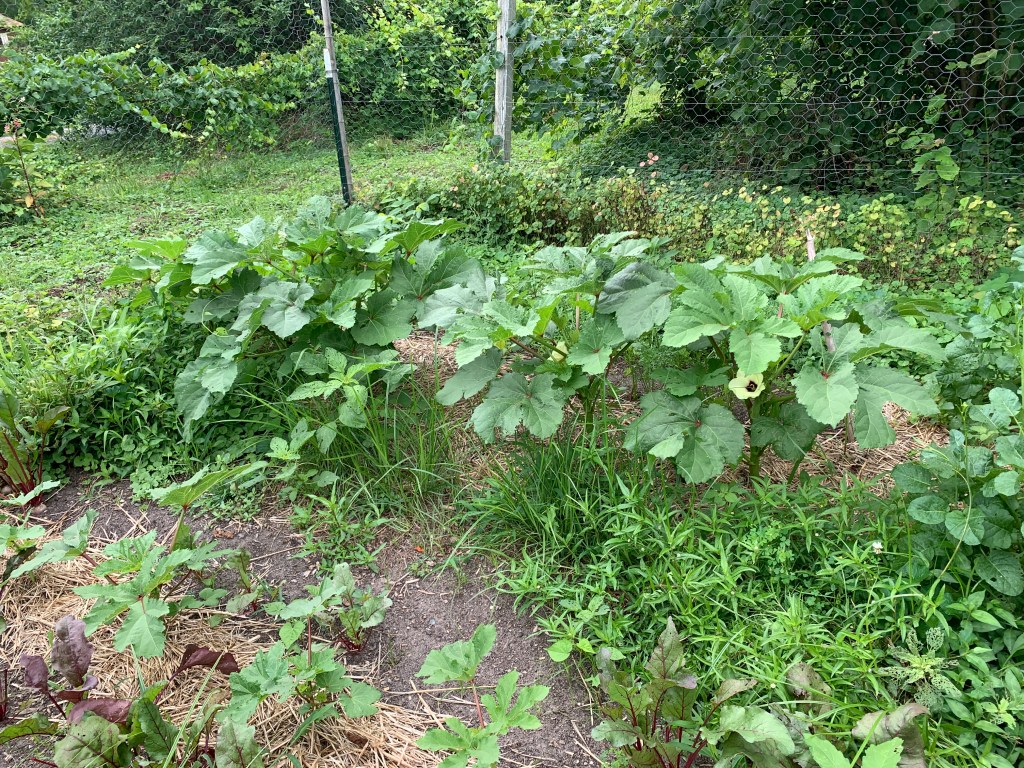
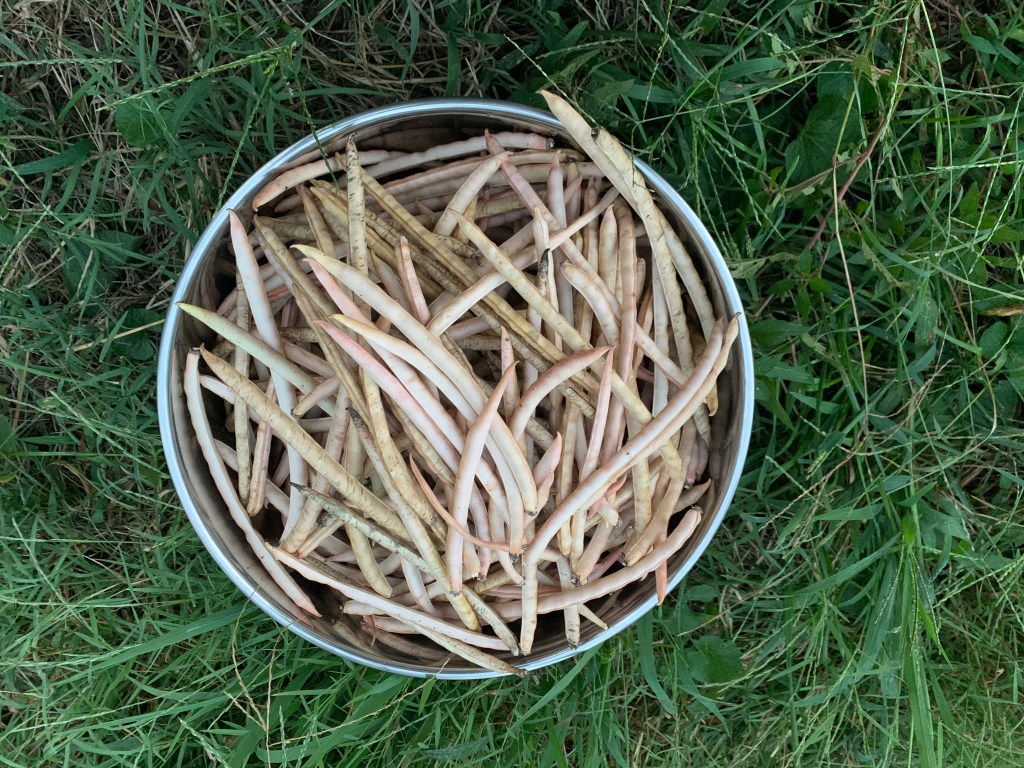
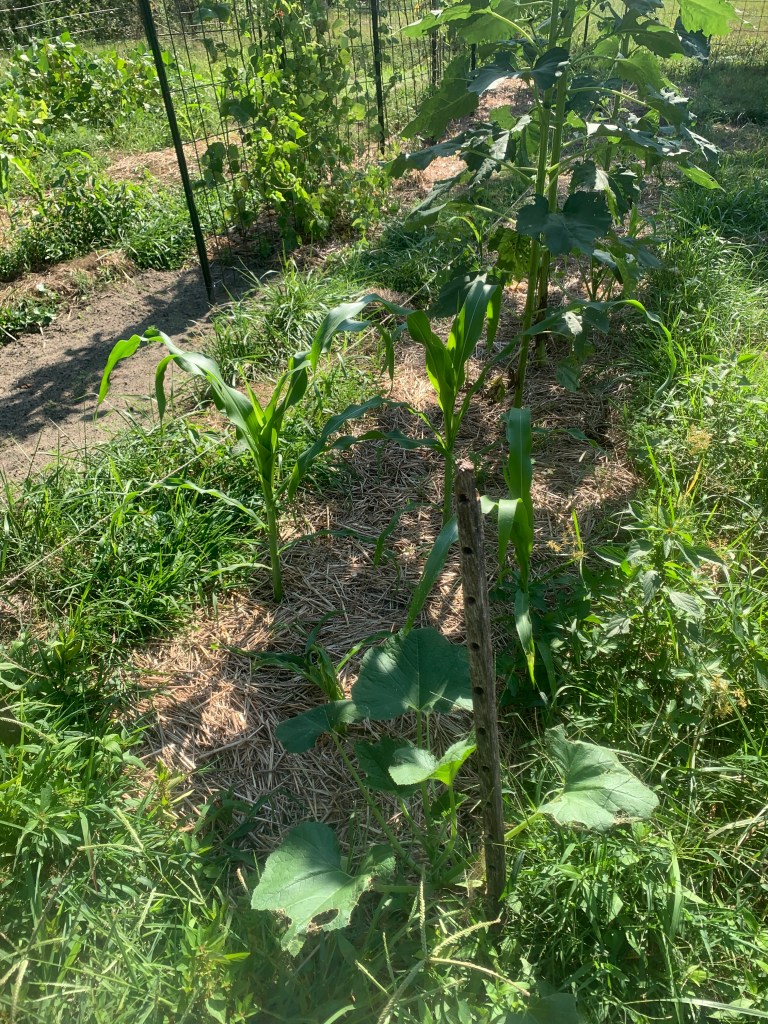
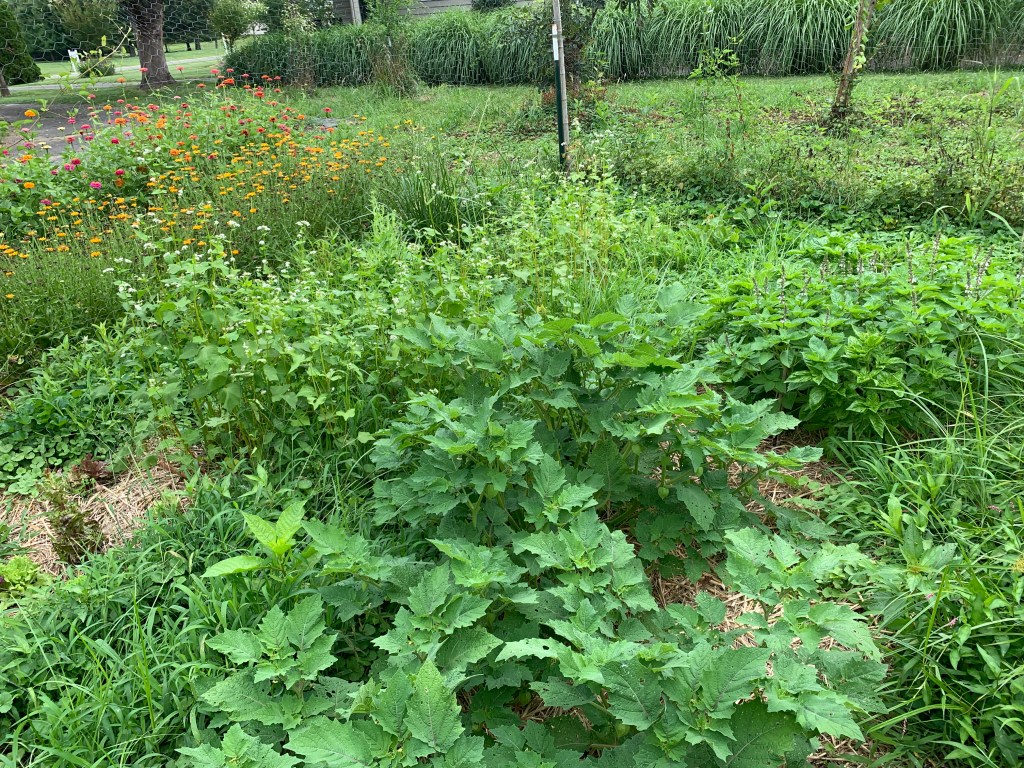
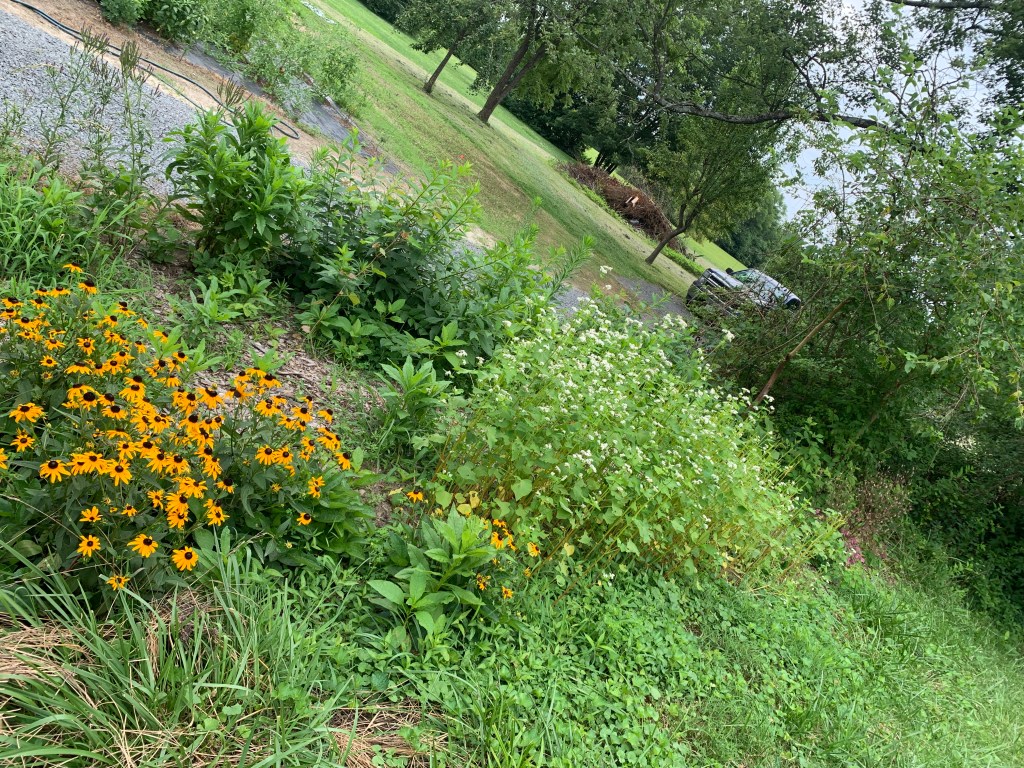
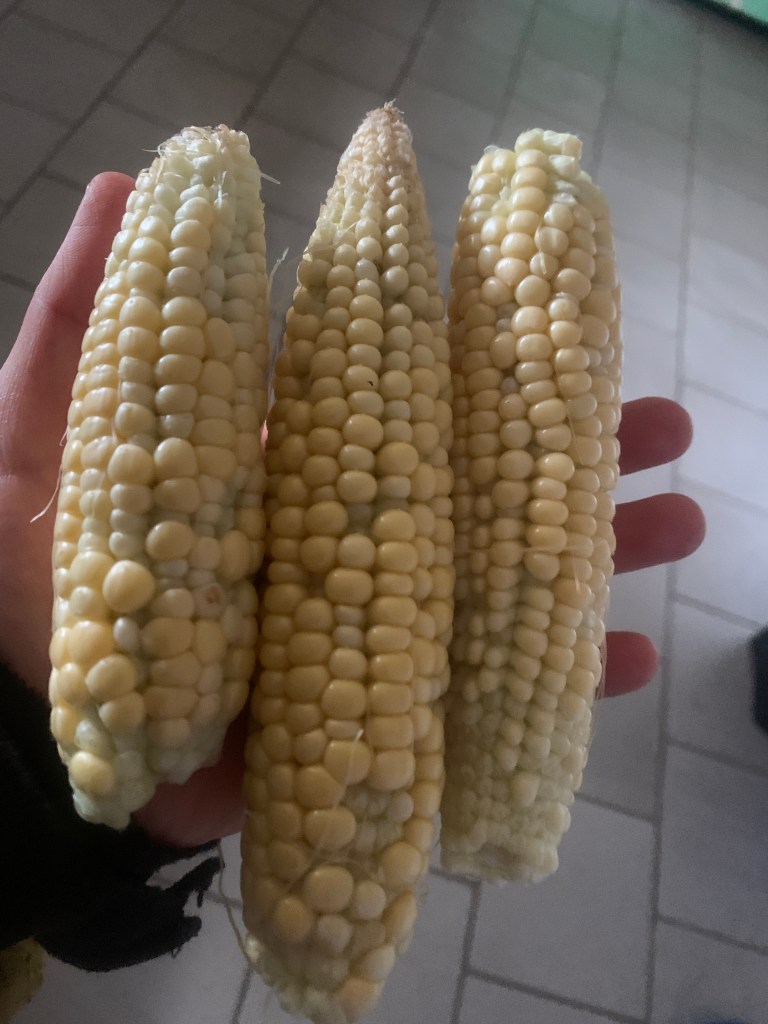
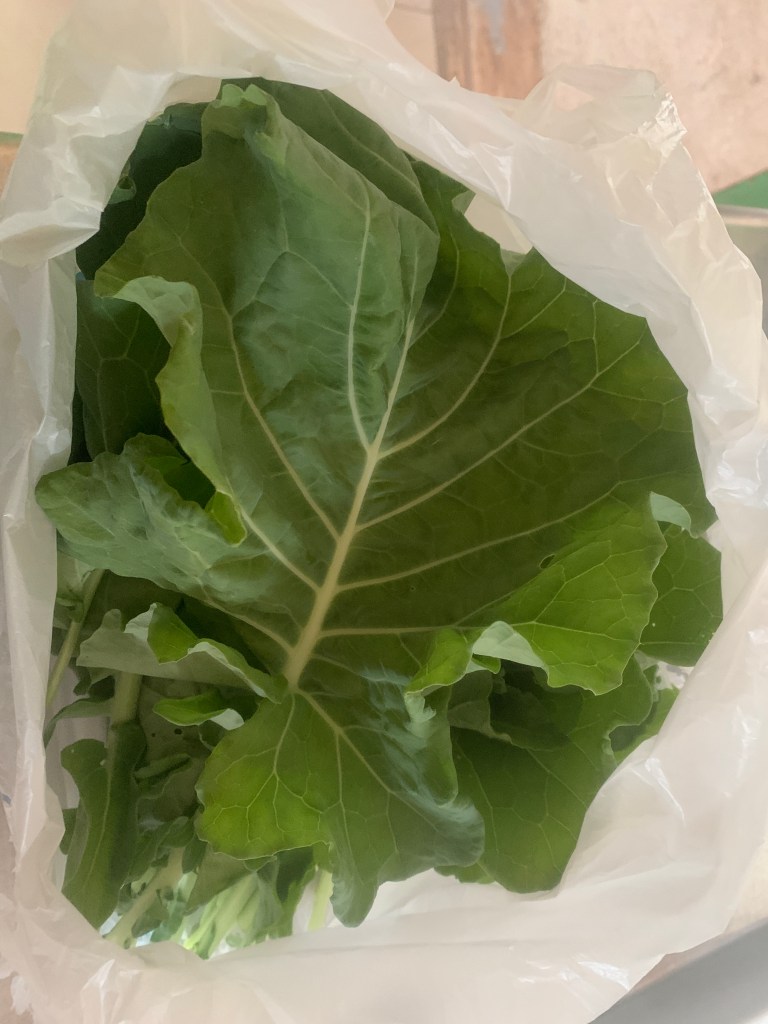
There were also plenty of disappointments and utter failures, especially as we moved deeper into summer and the soil baked in the relentless summer sun. The rabbits and groundhogs utterly decimated the crimson clover and oat cover crop, the strawberries, and the first planting of sweet potatoes. Direct seeding peppers and tomatoes into dust was asking too much. After the bounty of spring and early summer, for much of the rest of the season, there was only an occasional treat from the garden – a small basket of green beans, okra, and yellow squash each week, five small ears of sweet corn, a few bowlfuls of spinach and ground cherries (volunteers from the compost – the variety I intentionally planted in the bed failed to come up), one large bunch of collards before the rabbits demolished the rest. Thank goodness for chard, our MVP of the season, utterly unfazed by heat and drought, untouched by the wildlife, a riot of giant lush rainbow leaves until winter closed in.

Stepping into the next chapter of our Collective has required a similar patience and trust. Last winter, well before we began preparing garden beds, Chenchira and I began to prepare for the coming transition, knowing she and her son would be moving across the country in June. We considered which aspects of our shared values and rhythms felt like essential components of Magnolia, and which felt more fluid and malleable to the needs and whims of whoever was living here. We crafted a community listing and questionnaire, updated our website, and informed everyone in our community circles that they were leaving and Magnolia would be seeking new members to join us. We received a few email inquiries from folks who backed away or fell silent as soon as we responded. June came and went, and then July, and still no possibility broke the surface.
Then, in August, up popped a last minute visit from a family exploring communities in Louisa. I was immediately won over by the kids’ exuberance in exploring the woods, turning over every rock and log in search of bugs, harvesting from the orchard and and helping in the garden. And then of course, there were the twins, born naturals at being irresistibly adorable, and I marveled at their mother’s finesse, creativity, and resourcefulness in balancing the needs of the infants, the older kids, and the home.
As soon as most folks heard “single mother of four,” they immediately dismissed the possibility, or at least urged caution. But I could not even imagine turning them away. My mind kept working away at the matter like a Rubik’s cube, considered from this angle and that, but I knew my heart and gut had long sense decided. If I had taken anything away from my experience with dry farming this season, it was that there was only one way to find out the limits of what was truly possible.
And so with a bit of trepidation, and pretty convinced that I was crazy, I invited Ray and her family to come stay at Magnolia. It has taken us time to settle and resettle into our rhythms as a household, amidst the changing seasons and accompanying waves of illness, the gradual moving process, and the ever shifting tides of childhood that keep us on our toes. But words fall short of how grateful I am that the seeds that Chenchira and Xander and I cultivated and cherished, cradled in this humble home and benevolent patch of earth, have cross pollinated and sprung back up in this exciting new form that continues to resonate deeply as a Collective.
With half the garden mapped out, our solar electric systems mostly installed, and one bedroom still free, I can hardly wait to see what the coming months have in store!
 magnoliacollective.org