Thoughts While Watching Paint Dry

Rachel, July 12, 2024

“That’s it!” I exclaimed, pounding my fist into my leg. “I am just going to do the final coat myself!”

I had reached the limit of my capacity to give clear instructions and my patience when the sequence and details I spelled out weren’t followed. For me, the 4th of July meant I would be free to dedicate the day to painting the bedroom walls, alone, carefully, at my own leisurely pace, fully in control of the process.

The joke was on me. From the moment I opened the can, nothing went smoothly. While stirring, paint spilled over the rim of the full can, despite my best efforts – which quickly became a large puddle when I attempted to pour out a little paint to begin cutting in. After mopping up the mess, the brush was loaded with paint, and though I wiped it as clean as I could manage, it had lost it’s “cutting edge” and sloppily sloshed paint onto the ceiling and trim. Another problem soon became apparent – the brush would often pull much of the paint I had just applied with the previous stroke right back off the wall, and when I would try to go back over the exposed section again, would often also remove additional paint nearby. I had to adjust my method and expectations dramatically, but did gradually develop strategies for completing the task at hand, getting most of where I needed coated with paint, along with a whole lot else.

Photo of wall with very rough and patchy coat of paint

The issue quickly compounded into a horrifying, messy disaster when the roller likewise began to pull some of the paint back off the wall in bumpy, smeared slashes. When I tried to roll back over these areas to smooth and cover them, more and more paint would come off the wall, damaging large sections within seconds. I tried different angles and levels of pressure and amounts of paint on the roller, but the more I tried to repair the damage, the wider it spread. There was no choice but to move on, and hope I could clean up the mess with the next coat.

It took hours to work my way around the room, cursing, praying, talking to the wall – or more often, screaming at the ceiling, “What the hell? What the hell? How am I supposed to paint like this?” Sometimes I would get on a roll for a few minutes, before another slash. The compulsion was so strong, so automatic to try to go back over it, to keep fussing over the area even as it grew exponentially, just as I knew it would, and yet couldn’t seem to stop myself from trying to cover it all back up. I screamed again, at the paint, at myself, in a frenzy of frustration, shocked and embarrassed at how little control I had even over my own actions and reactions, discouraged and dizzy with paint fumes and self-disgust.

Slowly, I learned to resist the compulsion, and as soon as the roller started pulling paint off the wall, leave it alone and move on to the next section, chanting the mantra “Leave it for the second coat. Just have to leave it for the second coat.” Slowly, slowly, I eased into a hum of song and acceptance, surrendering to all the sloppiness and imperfections, trying to see the process through as best I could with what I had to work with – which turned out not to be quite enough to finish the final wall.

Lo and behold, with fresh, higher quality paint that almost matched the mystery first coat (a discounted “mistint” that Chenchira had bought on a whim last summer) and a less worn down roller, applying the second coat was once again the enjoyable, flowing process I remembered. Once again my familiar techniques worked. I gushed with relief and gratitude, no longer taking the easy spread of the paint for granted, my faith in myself and the project and the world restored. After another coat of “touch ups,” the walls turned out looking pretty darn great! Only faint scars remain, if I look closely enough.

I hope I don’t lose sight of the lesson as readily. That when nothing is working out right, when all my efforts to straighten things out and get things under control leave me churning in fury and obsessive fixation, I can choose to stop struggling and surrender to the mess and chaos and imperfection of the moment – and then try to show up better resourced the next time.

Thank goodness life is a much more patient and persistent teacher than I am. Thank goodness for grace and a second (hundredth) chance. Thank goodness.

In other news, did I mention we have a freshly painted bedroom available?

Hope

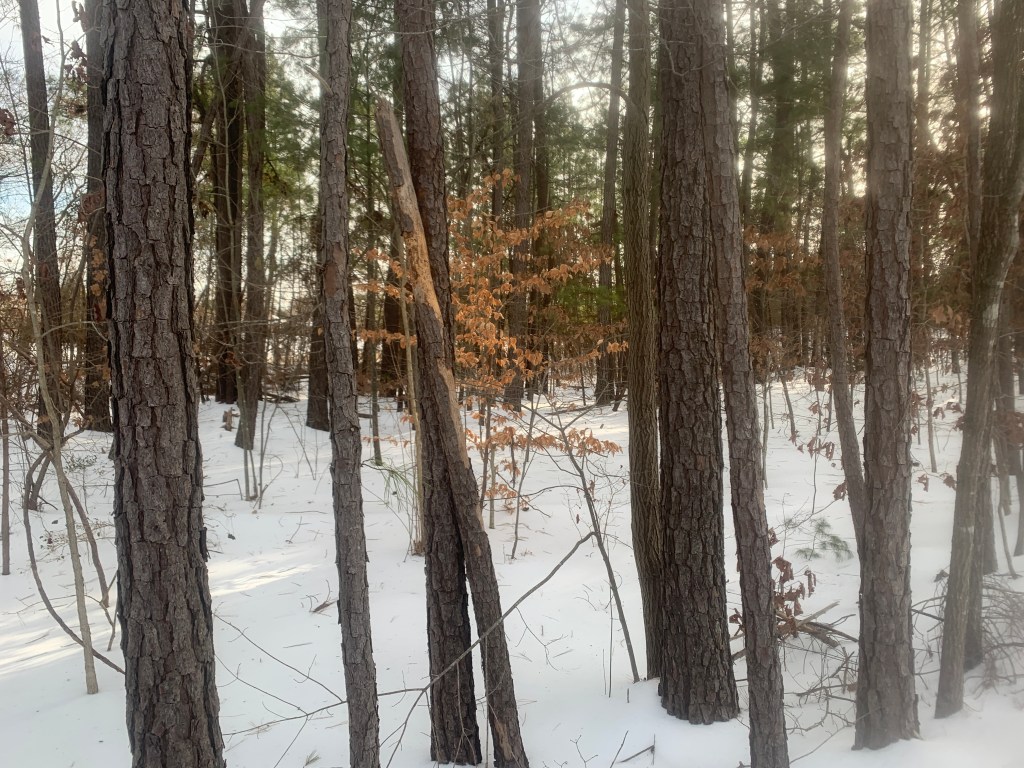
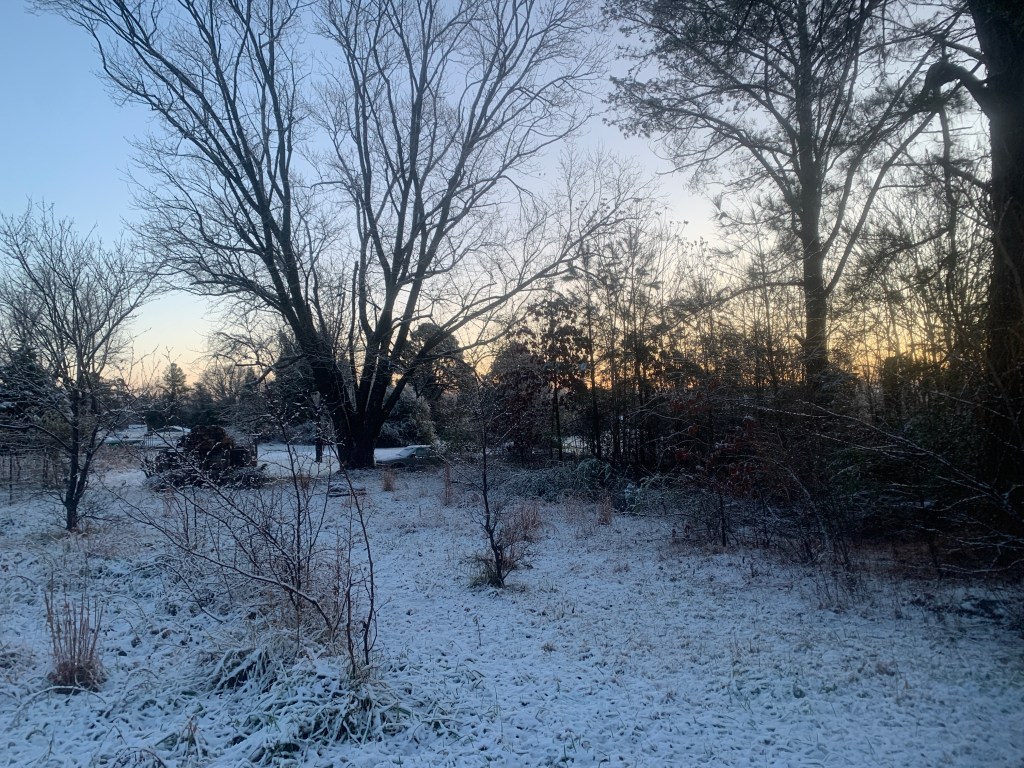
Winter landscape at Magnolia - trees in the snow

Spring is worshiped by all without pollen allergies —

intrepid sprigs and buds defying all odds

to peek out from bleak desolation.

In summer, the earth is fecund and verdant,

soaking up sunlight, giddy with sugar

gleefully thrusting out fistful after fistful of fruits and flowers.

Loss in Autumn is mellowed by bounty;

rich colors warm against the growing chill.

But winter is stark,

stripped to bare branches and spiny stalks.

Life is sucked back to the roots,

knotted around soil —

a trickle of sap just enough to keep

frost-chewed limbs straining over the horizon,

ready for spring.

It is the full moon of Shvat – Tu B’Shvat, the New Year of the Trees in Jewish time spirals. Shvat is one of my favorite months of the year, celebrating the trees that anchor and sustain our earth, and the nearly invisible first stirrings of renewed growth beneath the frozen crust of earth and deep within our core. The days are noticeably lighter and brighter, the sap begins rising and flowing again, the birds flutter around the bird feeder and hop across the snow. Something within my heart lightens and starts quivering with hope and excitement, full of dreams and elaborate plans for the coming season.

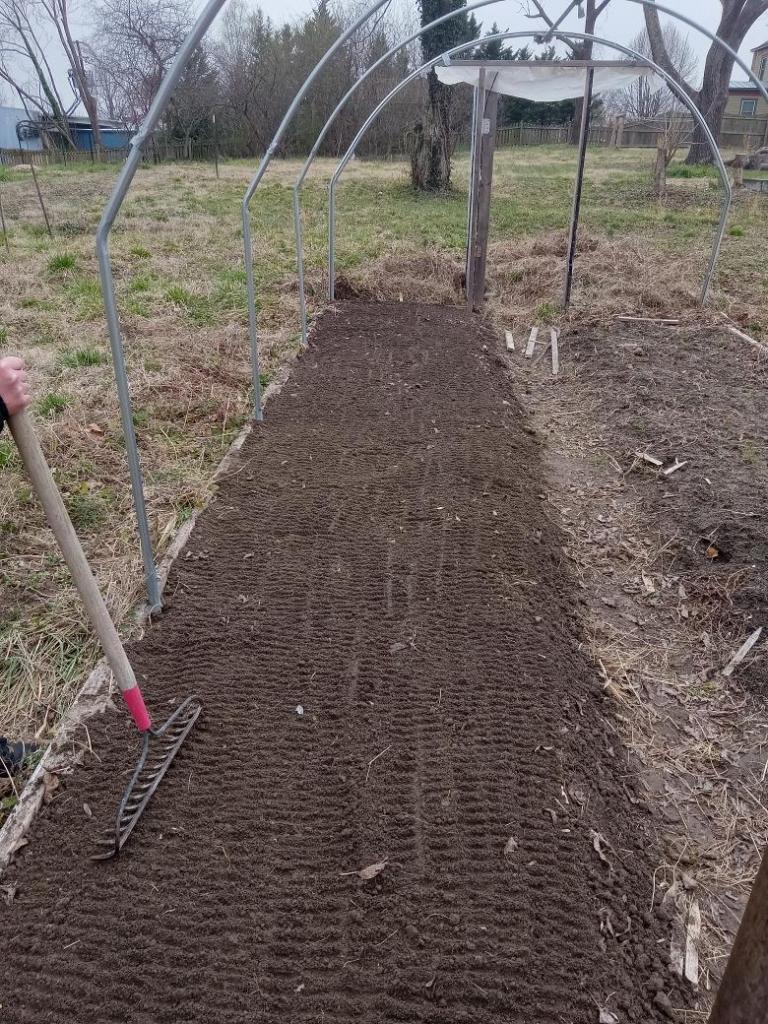
Re-spouting mint, and planting oats and crimson clover, February 2023

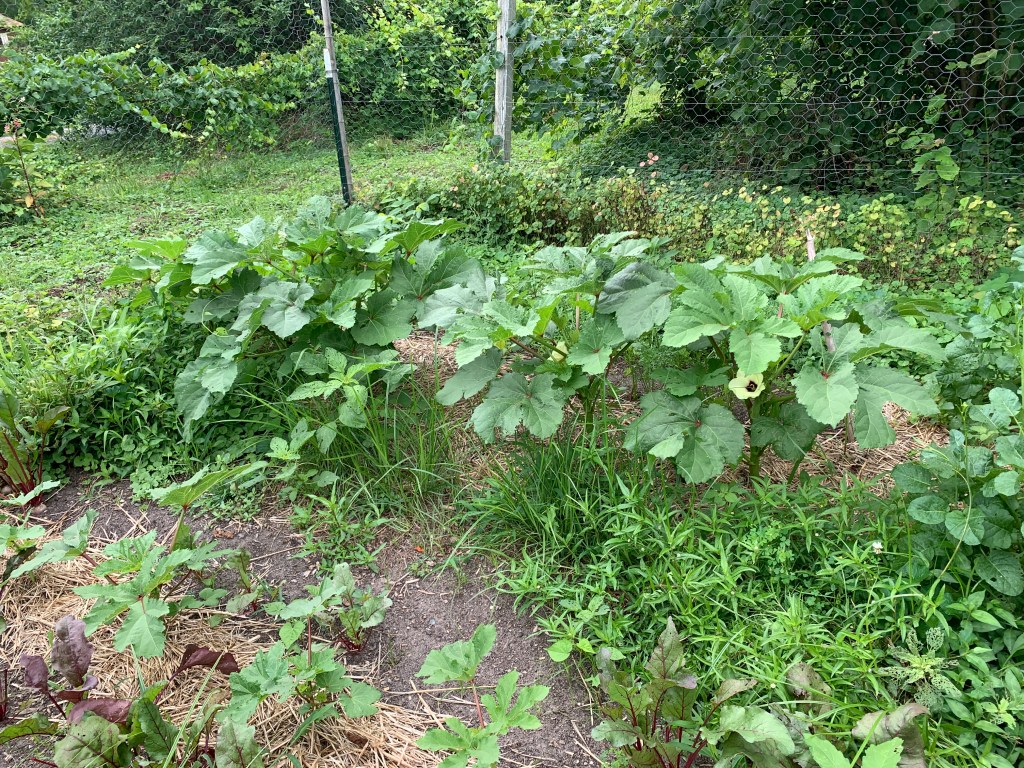
This whole year has felt like an exercise in hope. I decided to experiment with “dry farming” this season, depending exclusively on the rain to water my garden… in what turned out to be the driest spring and summer I have experienced here in Virginia. Each sprouting seed truly felt like a miracle. After countless hours digging and preparing each bed, then tucking seeds into the soil with song, came a period of waiting, watching the bare soil intently for the first emerging leaves, trying not to fret or despair as the weeks stretched on with hardly more than a drizzle here and there, and the beds remained a blank canvas. And then a sudden in-breath of wonder as the seeds, fed by the winter reserve of moisture and evening dew, awakened in their own time, and persevered and thrived with enough abundance to share with neighbors and friends.

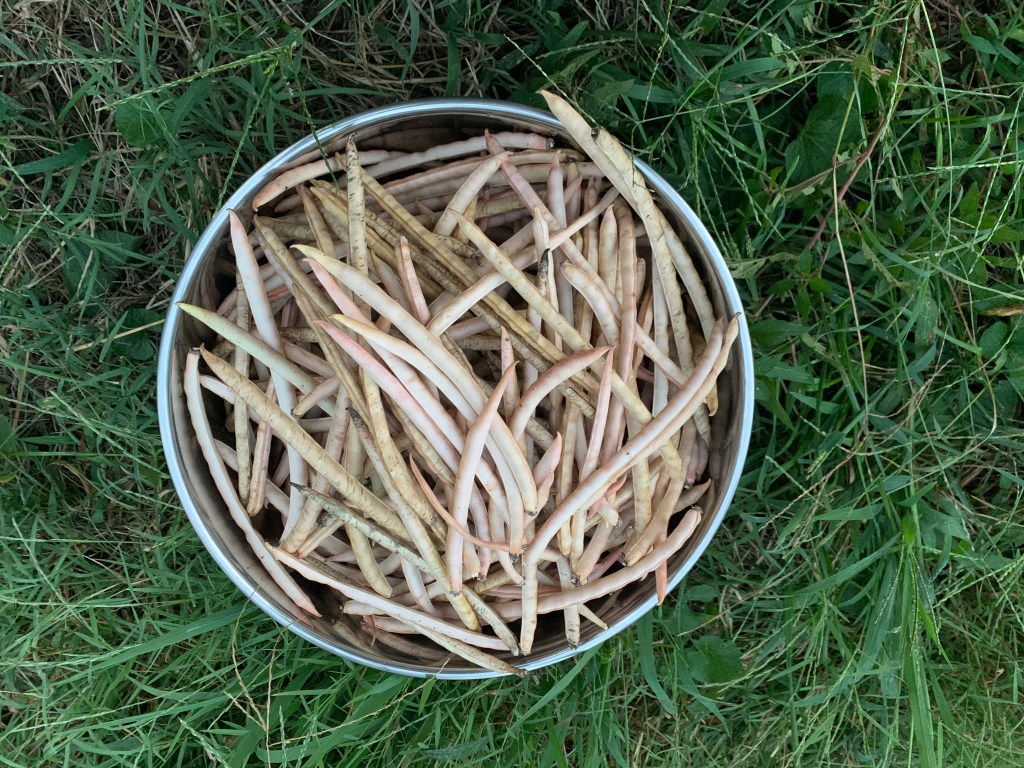
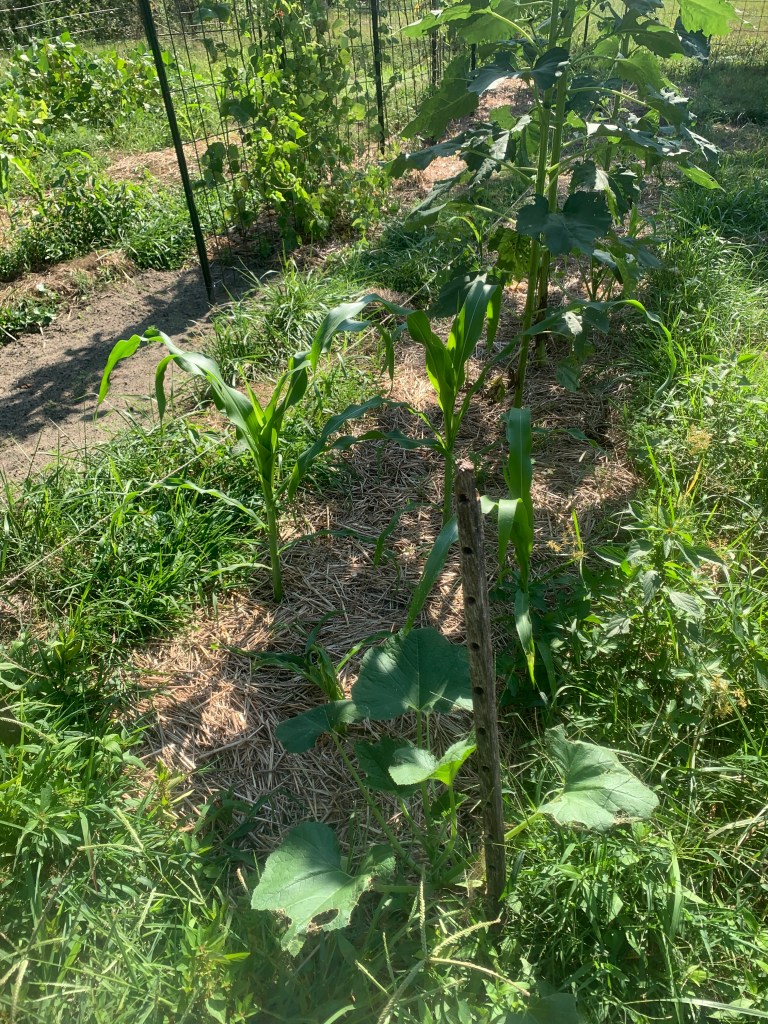
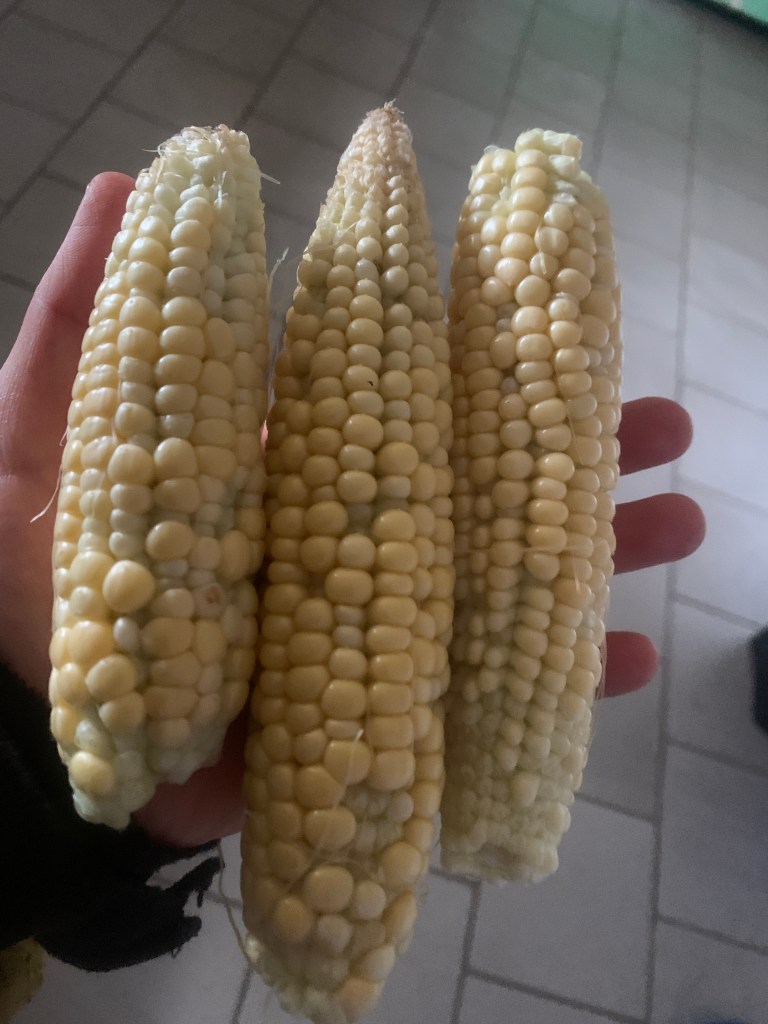
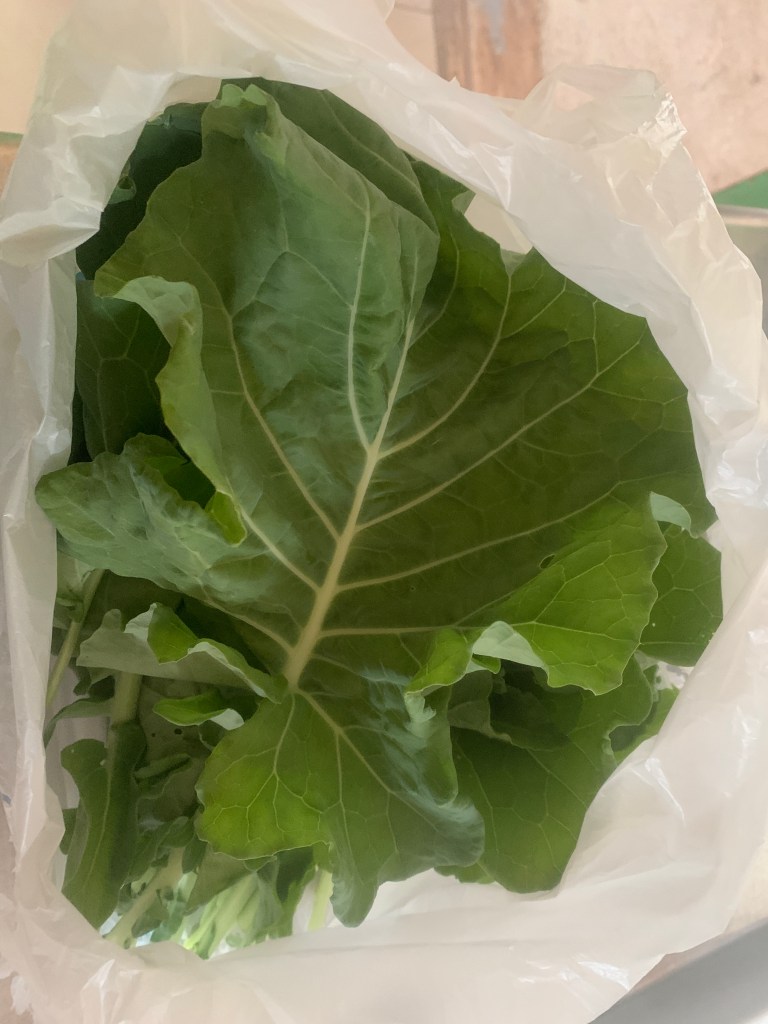
There were also plenty of disappointments and utter failures, especially as we moved deeper into summer and the soil baked in the relentless summer sun. The rabbits and groundhogs utterly decimated the crimson clover and oat cover crop, the strawberries, and the first planting of sweet potatoes. Direct seeding peppers and tomatoes into dust was asking too much. After the bounty of spring and early summer, for much of the rest of the season, there was only an occasional treat from the garden – a small basket of green beans, okra, and yellow squash each week, five small ears of sweet corn, a few bowlfuls of spinach and ground cherries (volunteers from the compost – the variety I intentionally planted in the bed failed to come up), one large bunch of collards before the rabbits demolished the rest. Thank goodness for chard, our MVP of the season, utterly unfazed by heat and drought, untouched by the wildlife, a riot of giant lush rainbow leaves until winter closed in.

Stepping into the next chapter of our Collective has required a similar patience and trust. Last winter, well before we began preparing garden beds, Chenchira and I began to prepare for the coming transition, knowing she and her son would be moving across the country in June. We considered which aspects of our shared values and rhythms felt like essential components of Magnolia, and which felt more fluid and malleable to the needs and whims of whoever was living here. We crafted a community listing and questionnaire, updated our website, and informed everyone in our community circles that they were leaving and Magnolia would be seeking new members to join us. We received a few email inquiries from folks who backed away or fell silent as soon as we responded. June came and went, and then July, and still no possibility broke the surface.

Then, in August, up popped a last minute visit from a family exploring communities in Louisa. I was immediately won over by the kids’ exuberance in exploring the woods, turning over every rock and log in search of bugs, harvesting from the orchard and and helping in the garden. And then of course, there were the twins, born naturals at being irresistibly adorable, and I marveled at their mother’s finesse, creativity, and resourcefulness in balancing the needs of the infants, the older kids, and the home.

As soon as most folks heard “single mother of four,” they immediately dismissed the possibility, or at least urged caution. But I could not even imagine turning them away. My mind kept working away at the matter like a Rubik’s cube, considered from this angle and that, but I knew my heart and gut had long sense decided. If I had taken anything away from my experience with dry farming this season, it was that there was only one way to find out the limits of what was truly possible.

And so with a bit of trepidation, and pretty convinced that I was crazy, I invited Ray and her family to come stay at Magnolia. It has taken us time to settle and resettle into our rhythms as a household, amidst the changing seasons and accompanying waves of illness, the gradual moving process, and the ever shifting tides of childhood that keep us on our toes. But words fall short of how grateful I am that the seeds that Chenchira and Xander and I cultivated and cherished, cradled in this humble home and benevolent patch of earth, have cross pollinated and sprung back up in this exciting new form that continues to resonate deeply as a Collective.

With half the garden mapped out, our solar electric systems mostly installed, and one bedroom still free, I can hardly wait to see what the coming months have in store!

Mother Knows Best

Rachel, July 3, 2022

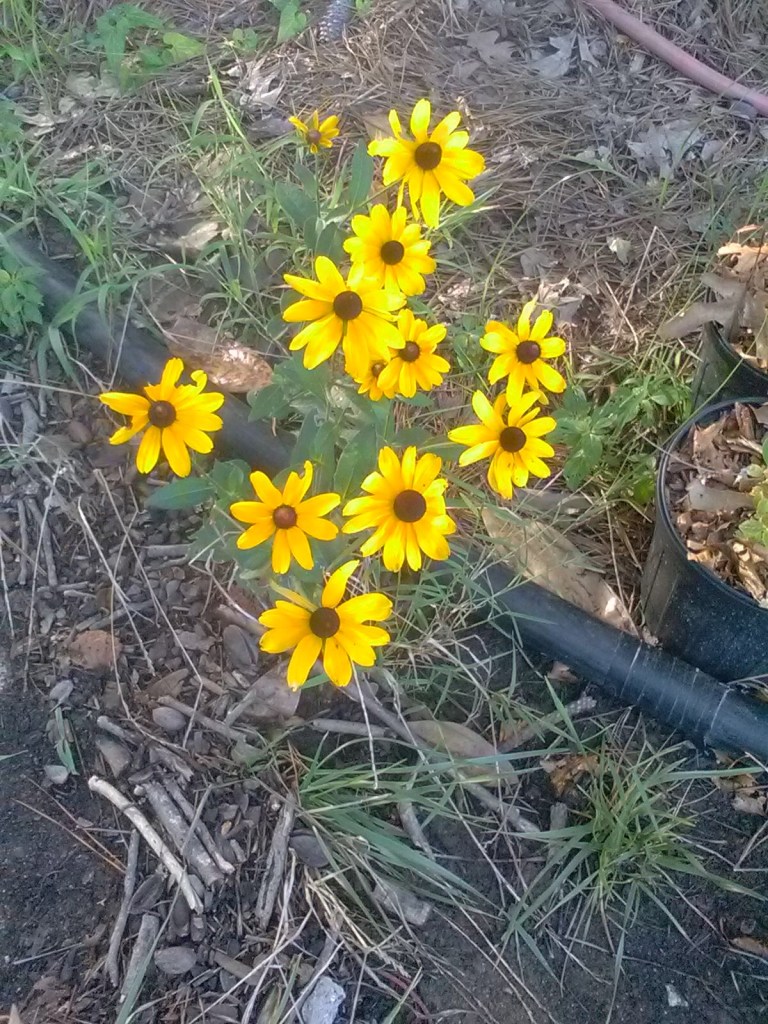
When I first arrived at Living Energy Farm just over three years ago, the first thing I noticed were the Black-eyed Susans blooming all over the property. Black-eyed Susan was one of the first plants I connected deeply with, several seasons earlier, spending hours lying beside them, gazing up at them and the unique beetles I saw nowhere else, and exclaiming each time I walked by their beautiful faces. When I discovered that all of the pathways, fields, gardens and orchards at LEF were dotted with giant clusters of Rudbeckia, I knew I had come to the right place.

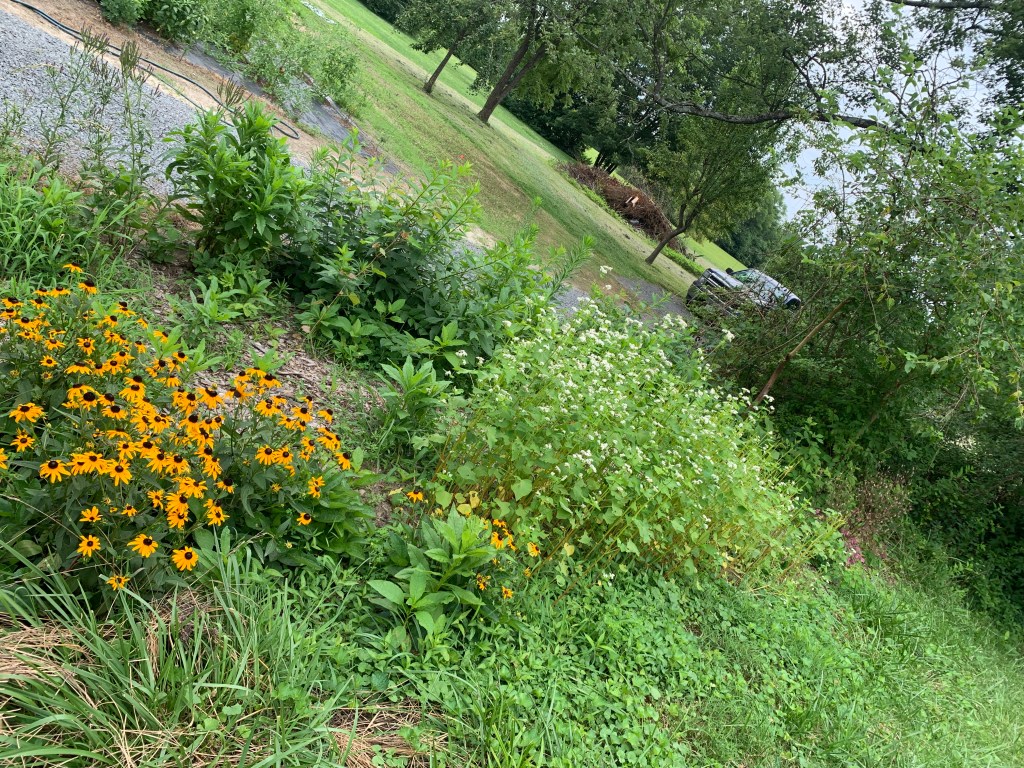
Well before then, I already felt drawn to Magnolia and the vision spun around it, and as soon as I set eyes on this piece of land, I began dreaming of the potential of each feature of the landscape. Yet I couldn’t help but notice that there wasn’t a single Black-eyed Susan to be found. As Chenchira and I prepared to co-create a home here in the months before I moved in, one of our first small acts was to plant a few of these beloved flowers in the yard, but they quickly withered away. We planted a new bed of them again later that summer, but deer or rabbits kept chomping down the flower stalks, and it took a few months before a handful of vibrant flowers emerged. Now in their second year, they have expanded their cluster, and yet the blooms remain few and rather bedraggled. The newest bed, transplanted this spring from a friend’s over-exuberant plants, has not yet managed to flower.

But seemingly overnight, maybe a week ago, up popped two Rudbeckia, right on either side of the deck. Out of the compacted, neglected soil left from excavating and grading around the house, on their own accord, two huge, unique, stunning blooms, each balanced on a single, lanky stalk.

UPDATE (7/30): After a month, a whole cheery cluster now greets visitors!

How many times this year have I wandered around the yard, trying to intuit what wanted to grow where; carefully dug and planted, watered and mulched; and been humbled yet again by how the land, with its own wild creativity, achieves effortlessly and abundantly what I attempt (not always successfully) to introduce in one small spot.

One vivid example is how, just before a rainy spell in March, I seeded a little patch of violas. I carefully scanned the planted area for the next few weeks, without high expectations, and literally jumped for joy when I suddenly spotted a few. Actually more than a few, far more than I ever dreamed of, or could claim credit for planting. A whole yard teeming with wild violets, I realized after a moment, some of them the classic purple, some of them white.

While examining the ground each day in search of the flowers I had planted, I noticed that the omnipresent creeping charlie, a ground ivy that establishes its dominance by poisoning the soil and we had vilified as a harmful bully, was clearly the crowd favorite for honey bees, nourishing them throughout the spring. Once it was finally mowed down, clover sprung up in its place.

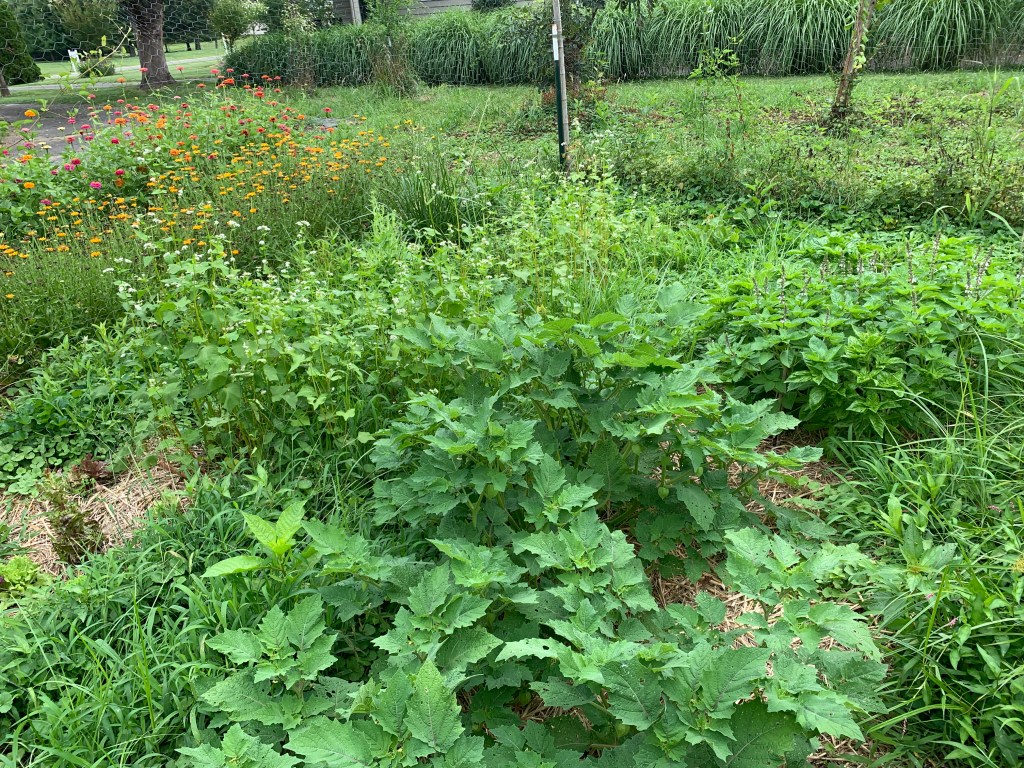
Meanwhile, my hours out in the sun, striving to provide for pollinators and other beneficial insects, contributed a few small strips of sweet allysum, a prolific bed of mint (starting from a few plants that also miraculously emerged from the excavated sub-soil beside the house), and two tiny caraway survivors. The land rounded out these meager offerings with yarrow, spiderwort, phlox, and a riot of dandelions popping up at every turn.

Perhaps it is no coincidence, as I prepare to leave for four months at Spikenard Honeybee Sanctuary, that these two Black-eyed beauties have appeared at last. I choose to see them as an affirmation from the land that my efforts and intention are seen and valued, and this place is truly becoming home. And a reminder of how blessed I am to have the earth as mother, teacher, and partner in manifesting. I’ve obviously still got a whole lot to learn from her!

Valuing Limited Resources

Chenchira, January 16, 2022

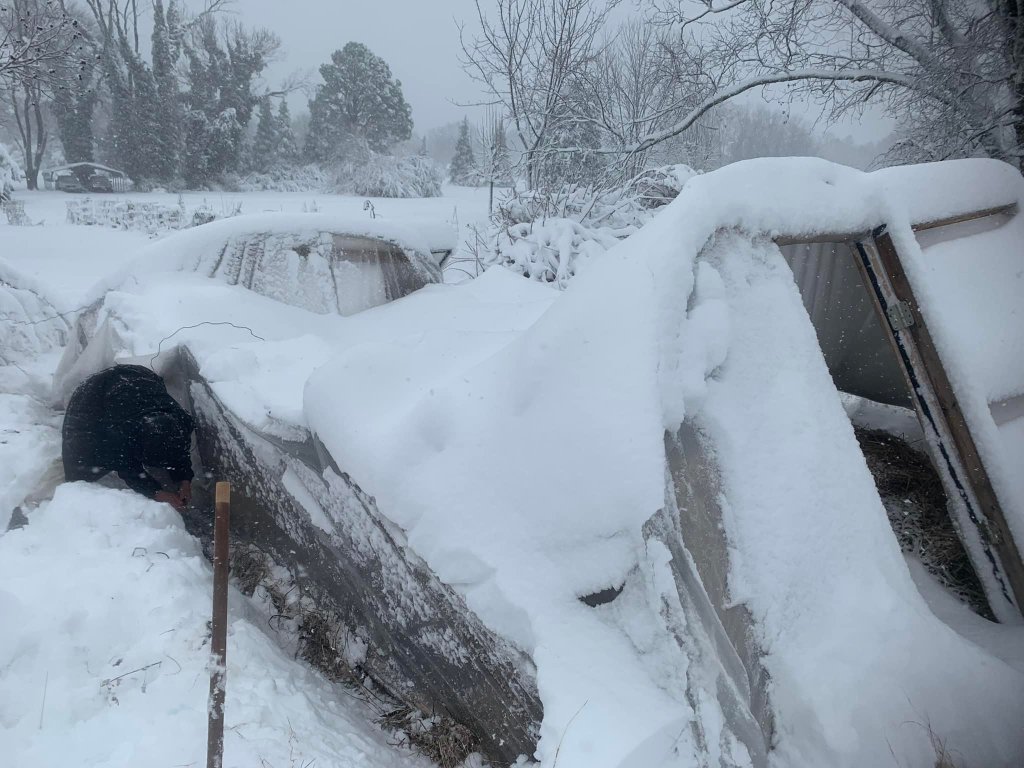
Overnight and the morning of January 3rd, we had so much snowfall that it ended up crushing/collapsing our cold frame greenhouse. There was a big part of me that didn’t want to go out into the cold to try and salvage what we could, but lately I’ve been doing so much healing work on myself that I found it hard to stop myself from putting on my ass kicking boots.

I wasn’t mad or upset at the fact that it happened. We should have taken it down sooner, so it was partially my fault for this happening. As I was starting this task, I heard a firm voice speak in my head, “Don’t worry, just leave it. We can buy another green house.” My immediate reaction was incredulity because if we didn’t have the resources to go out and just “buy another greenhouse” then we would have been out here sooner. As I got at least a hundred (if not more) pounds of wet snow off of this poor greenhouse, I spent the time really pondering that fact. If we valued it more instead of it being a simple commodity one could buy…

After living in poverty for most of my adult life, I was still able to scrape together a relatively good life for me and my son. But the ancestral healing work that I’ve been engaging in with the Last Mask Center has really opened my eyes to how I can pass as a white person, and that affords me certain privileges that don’t come easily to others. I’ve spent time on a few reservations and live in the intentional communities network where we purposefully try to live with less for this very reason – to value what we have. Now that I’ve had more of a cash flow into my life, I notice and catch myself not valuing the things that I have as much because it’s so easy for me to go out and get a replacement. For the past few months I’ve been cleaning out my moms house and preparing to sell it. I have seriously unloaded about 4, twenty-foot U-Haul trucks FULL of stuff out (redistributing them to other communities, charity organizations, homeless shelters, etc), and that doesn’t even include the hundreds of contractor bags that were filled with trash (I’m serious, I counted the amount of boxes we went through).

It impacts me and I feel physically ill whenever I see waste piling up, or things (or humans for that matter) being treated as expendable resources. I was under the impression that with healing work I would be numb to the amounts of non-recyclable trash that piles up. I thought that with good boundaries I wouldn’t feel the heart break of the train wreck that humanity is creating by growing dissonant with living in right relationship with the earth. Instead I have found myself growing more angry. But instead of taking that anger out on other people or internalizing that anger to toxic patterns of self destruction (I was really good at crippling anxiety and self guilt to motivate myself), I was able to find ways to use this anger to create change and action in this world. Even if it’s salvaging the plastic from this green house so we could get a new frame instead of a completely new one.

All of this passed through me as I was able to find that I had healed enough of my heart to hold my experience of heartbreak, and yet still find joy in getting snow off of the green house. Even laughing joyfully as I flopped around making snow angels, or throwing snowballs at little man while I was taking breaks.

I’m grateful for community, because obviously I didn’t do it all by myself. But I’m also grateful for the Last Mask Center and Community because I feel as though I would have either not done anything or have done it resentfully without as much joy. If you happen to be interested in learning more tools for processing emotions, Energy body mastery is starting up again soon. Would be happy to be in a study group with you! That’s the biggest thing that has helped me heal the most. Check it out at energybodymastery.com

My dream is that one day I will live in a community of a bunch of us who know how to live in right relationship with both the earth and each other. I firmly believe that the clearing practice has helped me navigate challenging relationships, including those with my family. It has helped me shut up and just get the work done without being resentful about it, or holding it over people’s heads. We all make choices in life, and we just need to learn to live with our choices, then learn how to make better ones in the future.

Many blessings for all y’all finding joy amidst the hard work that is before us this year. May we find the strength to do the things that bring us out of our comfort zone, and the community to help us hold these topics that are way bigger than ourselves so we can piece together a bright future for the ones that are coming. Happy Gregorian New Years! (My New Years already happened a few months back)

Opening to a New Year

Rachel, January 1, 2022

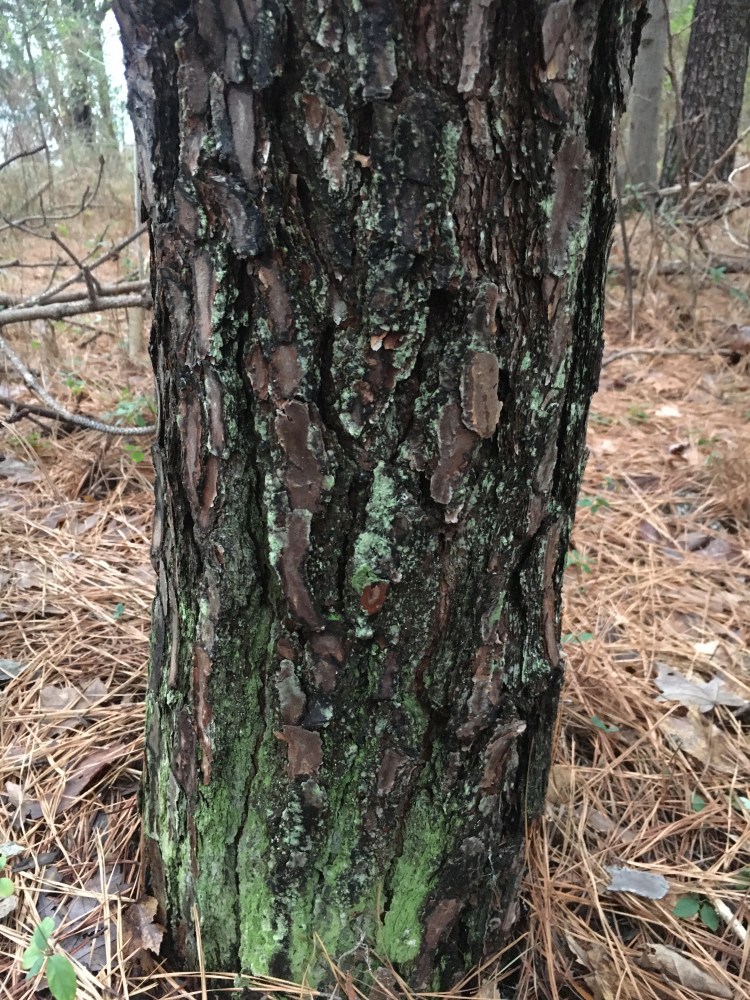
After spending most of this rainy day indoors, I was grateful to take a stroll outside under a patch of clear sky this evening. As I made my way across the yard, I was stopped in my tracks at the sight of the walnut tree. The entirety of its giant branches, usually a stoic grey this time of year, gleamed green and dripping with awakened lichen. Continuing on into the woods, I marveled at the rain-swollen moss tucked into the crevices of trunks, tiny white mushrooms dangling like flower buds at the edge of branchlets.

I’ve walked through these woods almost daily over the six months I have lived here, sometimes in the middle of a rain shower, at sunrise and at dusk. I’ve never seen the trees in quite this light before, seen them so visibly bursting with life, harbored not only in the perch of their branches or burrowed in the humus of their leaves, but even knit into the topography of their bark.

I remember reading, in Robin Wall Kimmerer’s book Gathering Mosses, of the incredible ability of moss, liverwort, and lichen — and the microscopic life that they, in turn, harbor — to go completely dormant, suspending cell function sometimes for years at a time, and then revive as soon as water returns. It is a humble, patient life, inching forward in the precious moments that growth is possible.

Sometimes, this process feels all too close to home. Magnolia’s transformation into an off-grid home and community project has been over seven years in the making, with many long pauses along the way. I have felt inexplicably drawn to this place and vision for at least half that time, long before I ever set foot here. Since then, work on the house and land has continued moving forward in sporadic bursts, when the right combination of time, space, skills, materials, and weather come together.

Its hard not to feel discouraged sometimes, in the periods of waiting, when progress feels impossibly slow and nearly invisible — until suddenly, it surges forward again, brilliantly apparent.

Over the past year, the house was wrapped in strawbales; the majority of construction of the “solar shed” to power our home was completed; several rooms were painted and tiled; garden beds for flowers, herbs, mushrooms and veggies were shaped and tended; brush was cleared from overgrown areas of the yard and rusted junk hauled out of the woods. The Collective was legally established, our communal household expanded to four, we hosted friends and neighbors for all kinds of events, and finally launched our website!

Into whatever the coming months have in store, I carry this little gift of beauty and hope, the alchemy of golden light just before sunset and rejuvenation just after a rain, the trust and perseverance of moss and the promise of a newborn year.